
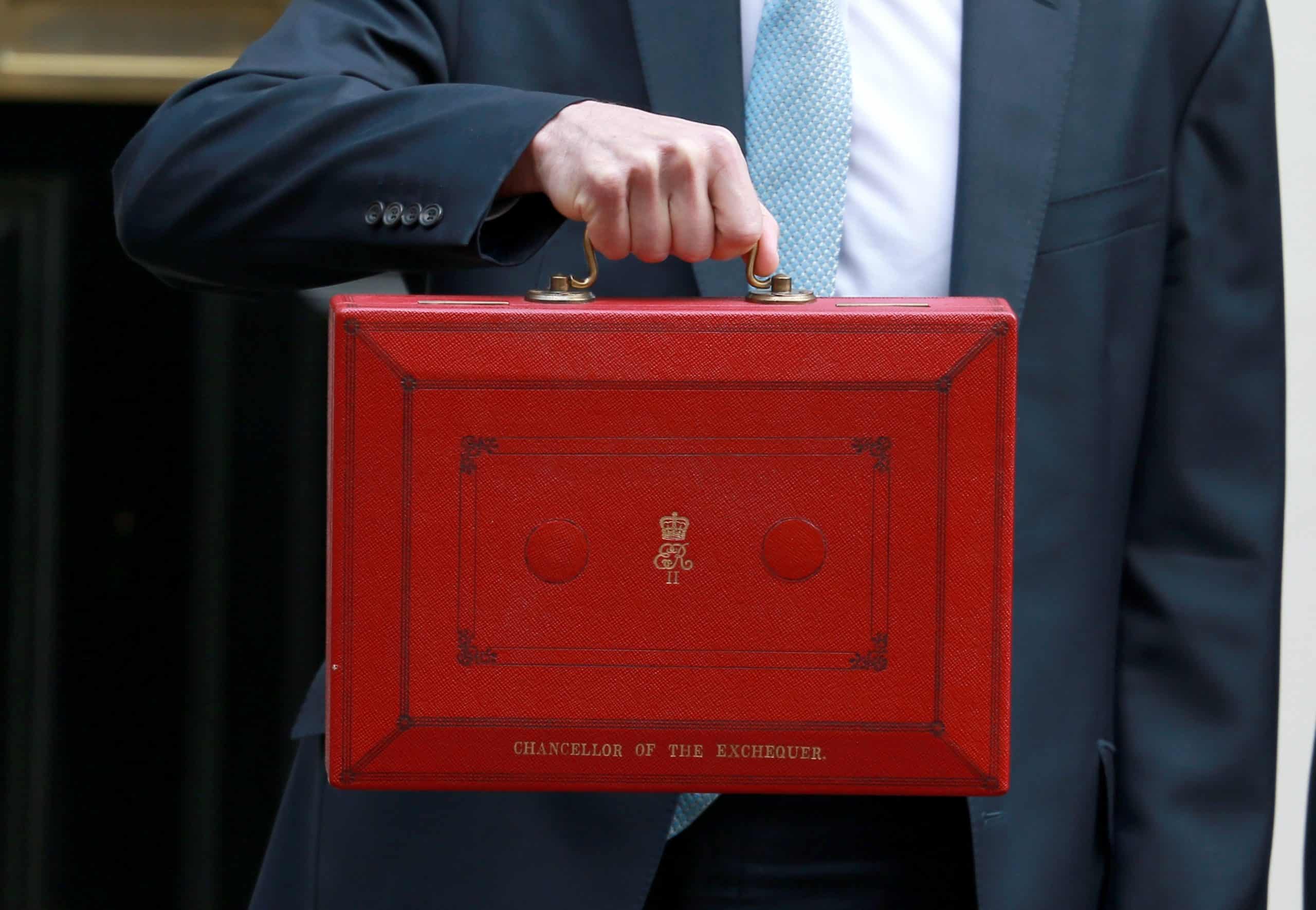
The government released the Autumn Budget 2025 last week, setting out new tax rules, benefit changes, and updates that affect household finances.
If you’re going through a divorce, separation, or financial-remedy process, these changes may have a real impact on what you can afford, how assets are shared, and what a fair settlement looks like.
This blog explains the Budget in simple terms and gives real-life examples so you can understand how it may affect you.
Key Budget changes
Income tax thresholds are frozen until 2030/31 – This means your tax bands won’t rise, even if your wages do. In simple terms: more of your income will fall into higher tax brackets over time, so your take-home pay may not increase as much as you expect.
Example – Sarah earns £45,000. If her salary rises to £48,000 in the next few years, she may end up paying more tax because the thresholds haven’t changed. So even with a pay rise, she may feel worse off.
New “mansion tax” on properties over £2 million – From April 2028, homes worth over £2 million will attract a new annual property surcharge. Larger homes will pay a bigger surcharge.
Example
Raj and Emma own a £2.5m property. After divorce, if one of them wants to keep it, they’ll need to consider the extra annual cost, which could be several thousand pounds. This may push them toward selling instead of one spouse keeping the home.
Pension salary-sacrifice changes (from 2029) – At the moment, many people boost their pension in a tax-efficient way through salary sacrifice, which reduces the National Insurance they pay. From 2029, only the first £2,000 of these contributions will be free from National Insurance. Anything above will cost more.
Example
Tom sacrifices £6,000 of his salary into his pension each year.
After the rule change, £4,000 of that will attract National Insurance, reducing his monthly take-home pay.
This might affect what he can afford in maintenance or a clean-break settlement.
Two-child benefit cap scrapped – From April 2026, families will be able to claim certain benefits for all their children, not just the first two.
Example
A separating couple with three children may receive extra benefit income.
This may influence child-maintenance discussions or help a single parent manage financially after separation.
Other household help – The minimum wage and state pension are increasing as well as the option for support with energy bulls for some households. That is likely to help many families with the rising cost of living.
What these Budget changes mean if you’re going through a divorce or separation
Maintenance payments may need reviewing – Because take-home income may not rise as fast, some people may struggle more to pay spousal and/or child maintenance as well as school fee contributions. Likewise, if you rely on those payments, you may feel more financial pressure. A person earning £70,000 and paying spousal maintenance may find their tax burden increases due to frozen thresholds, and therefore a fall in disposable income — possibly leading to disputes about adjusting payments.
Property division may look different – The new property surcharge makes owning a multi-million-pound home more expensive. If one spouse wants to keep a £3m family home, they will face higher yearly costs and may struggle with the higher yearly costs. Couples may now decide selling is the more practical option.
Pension sharing becomes even more important – With changes to tax-efficient pension contributions coming, pension values and future income may shift.
If you’re negotiating a pension sharing order, it’s important to understand how these changes affect your long-term position. If one spouse’s pension will grow more slowly because contributions cost more, that could affect the fairness of the share.
Child-related budgeting may change – With the two-child cap lifted, larger families may have more benefit income available. A parent caring for three children may now receive additional support influencing any maintenance discussions.
What you should do now
Here’s what we recommend:
1. Review your income and outgoings to ascertain whether tax changes could affect the affordability of maintenance and/or what counts as “reasonable needs” – especially in relation to any offers you’ve already made or received.
2. Check how property-related changes affect your settlement. If high-value property is involved, consider if keeping the home is still realistic.
3. Review your pension position. If you or your ex use salary sacrifice, discuss how the 2029 changes could affect long-term income.
4. Consider the impact of the benefit changes – especially if you have 3+ children.
5. Seek early advice. Budget changes often play out over several years. Planning now reduces surprises later.
How can we help?
The Autumn Budget 2025 brings both challenges and opportunities. For anyone separating or divorcing, it highlights a simple truth: Financial settlements don’t happen in a bubble — they must consider the real world.
If you’re unsure how the Budget affects your situation, speaking with one of our family-law solicitors early can help you make informed and confident decisions. We also work with trust financial advisors to ensure you are well informed about the best option for you.